

Why Watch Enthusiasts Continue to Value Mechanical Watches
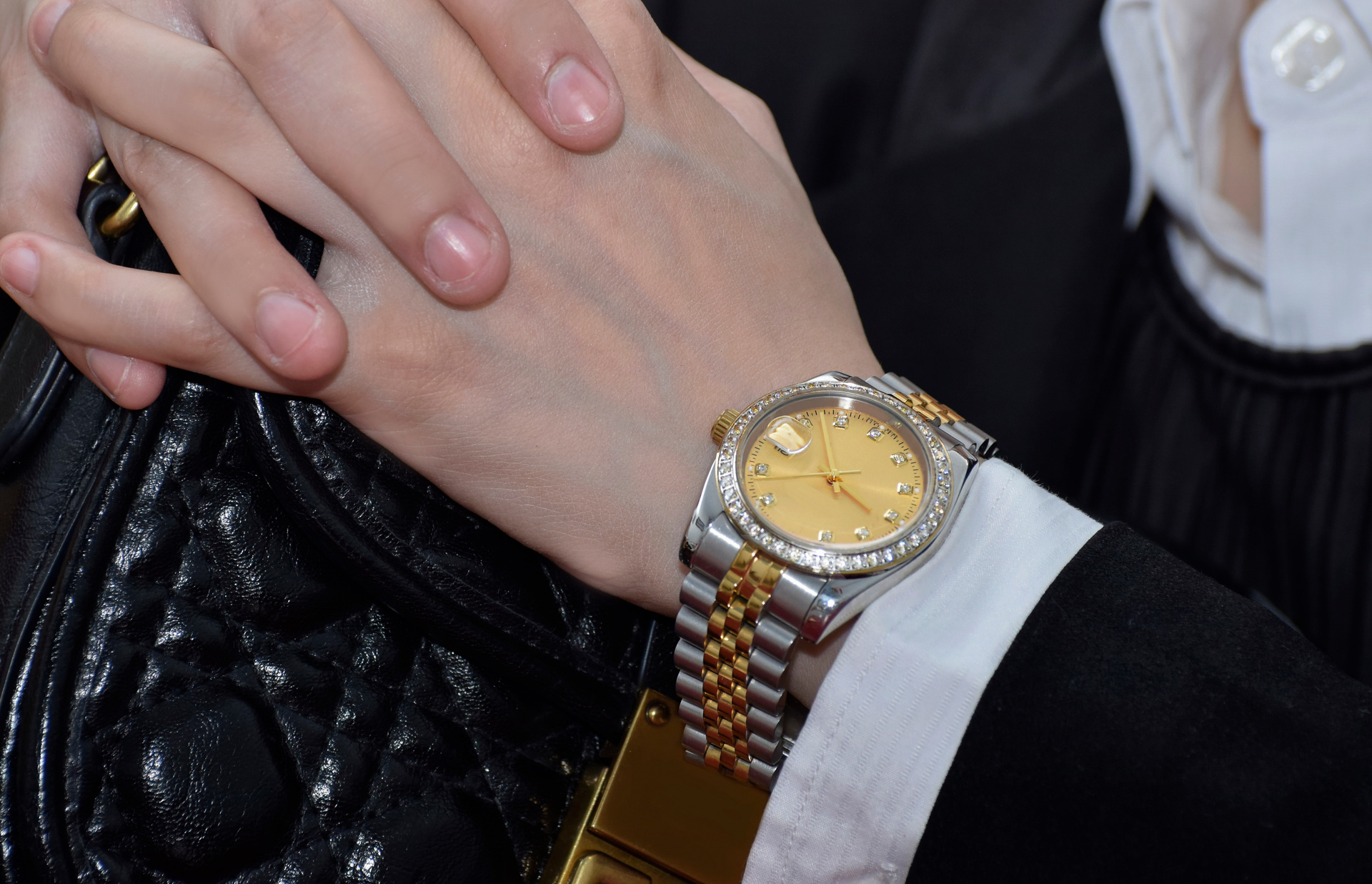

Mechanical watches remain interesting because the function is visible, understandable and connected to generations of watchmaking”
METAIRIE, LA, UNITED STATES, July 22, 2026 /EINPresswire.com/ -- — Ken Bowers
Mechanical watches continue to hold a meaningful place among collectors and watch enthusiasts despite the widespread availability of digital devices, smartwatches and highly accurate quartz movements. Interest in traditional watchmaking remains connected to craftsmanship, engineering, history and the personal experience of wearing a machine built to measure time through moving mechanical components.
Unlike quartz watches, which rely on batteries and electronic regulation, mechanical watches operate through a system of gears, springs, wheels and levers. Energy is stored in a tightly wound mainspring and released gradually through the movement. The escapement controls that release of energy, while the balance wheel oscillates at a consistent rate to regulate timekeeping.
Automatic mechanical watches include a weighted rotor that moves with the wearer’s wrist. That movement winds the mainspring during normal use. Hand-wound watches require periodic winding through the crown, creating a daily or weekly interaction between the owner and the timepiece.
For many enthusiasts, that interaction is part of the attraction.
Mechanical watches are not always chosen because they are the most accurate method of telling time. A smartphone synchronized to an electronic network can generally display the time with greater precision. The appeal of a mechanical watch comes from the process involved in keeping time without digital components or battery-powered circuitry.
The movement inside the case represents a compact mechanical system that can contain hundreds of individual parts. Each component must work in coordination with the others. Gears transfer energy, jewels reduce friction, and regulating components control the rate at which the stored energy is released.
Complications add additional functions beyond basic timekeeping. Common complications include date displays, chronographs, power-reserve indicators, moon phases, annual calendars and multiple time zones. Each added function requires additional mechanical components and careful integration into the movement.
“Mechanical watches remain interesting because the function is visible, understandable and connected to generations of watchmaking,” said Ken Bowers, owner of KenWorks in Metairie, Louisiana. “A mechanical movement turns stored energy into controlled motion, and every component has a specific purpose. That combination of engineering, design and history continues to attract collectors.”
Craftsmanship also plays a central role in the continued interest surrounding mechanical watches. Watch cases may be polished, brushed or finished with multiple contrasting surfaces. Dials can involve applied markers, enamel, engine turning, hand painting or carefully printed scales. Hands, crowns, pushers, clasps and bracelets contribute to the overall character of the watch.
Movement finishing may include decorative techniques such as Geneva stripes, perlage, anglage and blued screws. Some of these details serve functional purposes, while others reflect traditions developed over centuries of watchmaking.
Mechanical watches also carry historical associations that influence collector interest. Certain watches were developed for aviation, diving, military service, motorsports, scientific exploration or railroad timing. Designs originally created for specific professional purposes often remain recognizable decades later.
Pilot watches may feature large numerals and high-contrast dials. Dive watches often include rotating timing bezels and increased water resistance. Chronographs provide elapsed-time measurements through dedicated pushers and subdials. Field watches generally emphasize legibility, durability and straightforward operation.
These designs connect modern owners with the circumstances that originally shaped the watches.
Vintage mechanical watches offer another area of interest. Older timepieces may reflect the manufacturing methods, design preferences and technical limitations of a particular period. Dial aging, case wear and changes in luminous material can create visible evidence of a watch’s history.
Condition, originality and service history become important considerations when evaluating vintage watches. Replacement dials, polished cases, incorrect hands and non-original components can affect historical integrity. Collectors often study reference numbers, serial ranges, movement markings and production details before acquiring a vintage piece.
Serviceability also contributes to the value placed on mechanical watches. A properly maintained movement can often remain operational for generations. During a service, a watchmaker may disassemble the movement, clean the components, replace worn parts, apply appropriate lubrication, reassemble the mechanism and regulate the watch.
Mechanical watches do require care. Lubricants can dry or deteriorate over time. Gaskets may need replacement to maintain water resistance. Magnetism can affect accuracy, and impacts may damage delicate components. Regular inspection and service help address wear before it leads to more extensive problems.
The possibility of repair distinguishes many mechanical watches from electronic products designed around components that may eventually become obsolete. Even when replacement parts are no longer readily available, trained watchmakers may sometimes repair, modify or manufacture components for older movements.
Personal expression also influences the appeal of mechanical watches. Case size, dial design, bracelet style and movement type allow collectors to select watches that reflect individual preferences. Some favor understated dress watches, while others prefer tool watches, chronographs or watches with visible movements.
Straps can also change the appearance and character of a watch. Leather, rubber, fabric and metal bracelets each create a different wearing experience. A single watch may feel formal on leather, practical on rubber or more substantial on a steel bracelet.
Mechanical watches are also frequently associated with milestones. A watch may mark a graduation, anniversary, career achievement, retirement or family event. Because mechanical watches can remain functional for decades, they are often preserved as personal objects and passed between generations.
Collector communities have further supported interest in traditional watchmaking. Enthusiasts gather through clubs, online forums, trade events, auctions and local meetings to discuss movements, references, restoration, design and manufacturing history. Shared knowledge helps collectors understand the details that distinguish one watch from another.
The continuing value placed on mechanical watches does not depend solely on accuracy or practicality. It reflects appreciation for machinery, craftsmanship, history and longevity. In an era when many products are replaced rather than repaired, the mechanical watch remains an object designed to be maintained, understood and carried forward.
Morgan Thomas
Rhino Digital, LLC
+1 504-875-5036
email us here
Visit us on social media:
Facebook
Legal Disclaimer:
EIN Presswire provides this news content "as is" without warranty of any kind. We do not accept any responsibility or liability for the accuracy, content, images, videos, licenses, completeness, legality, or reliability of the information contained in this article. If you have any complaints or copyright issues related to this article, kindly contact the author above.
