

Get your daily news on media and advertising
Provided by AGP
45% Home Price Growth in Five Years Pushes 38 of 50 Major U.S. Cities Beyond the Standard Affordability Threshold
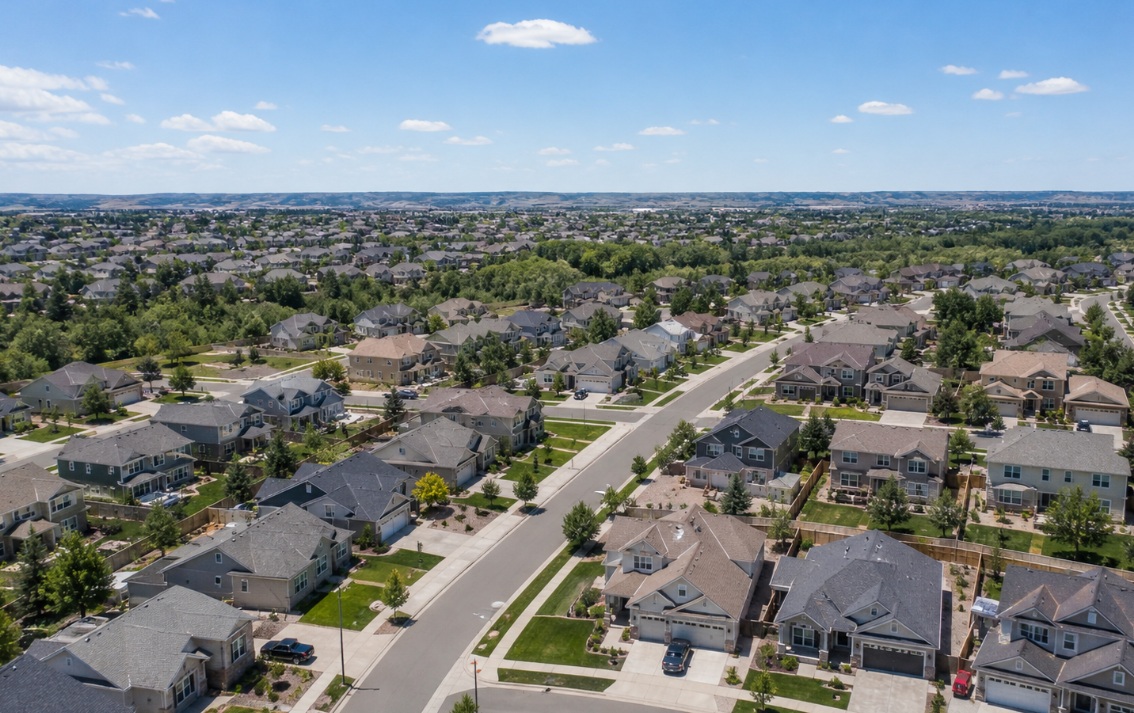
Home prices across American suburbs have risen more than 45% in five years while the 30-year mortgage product designed to finance them has remained unchanged since the 1930s.

Pittsburgh maintains one of the lowest home price to income ratios of any large metro in the country at 3.07, making it one of a handful of U.S. cities where the 30-year mortgage still works for median income households.
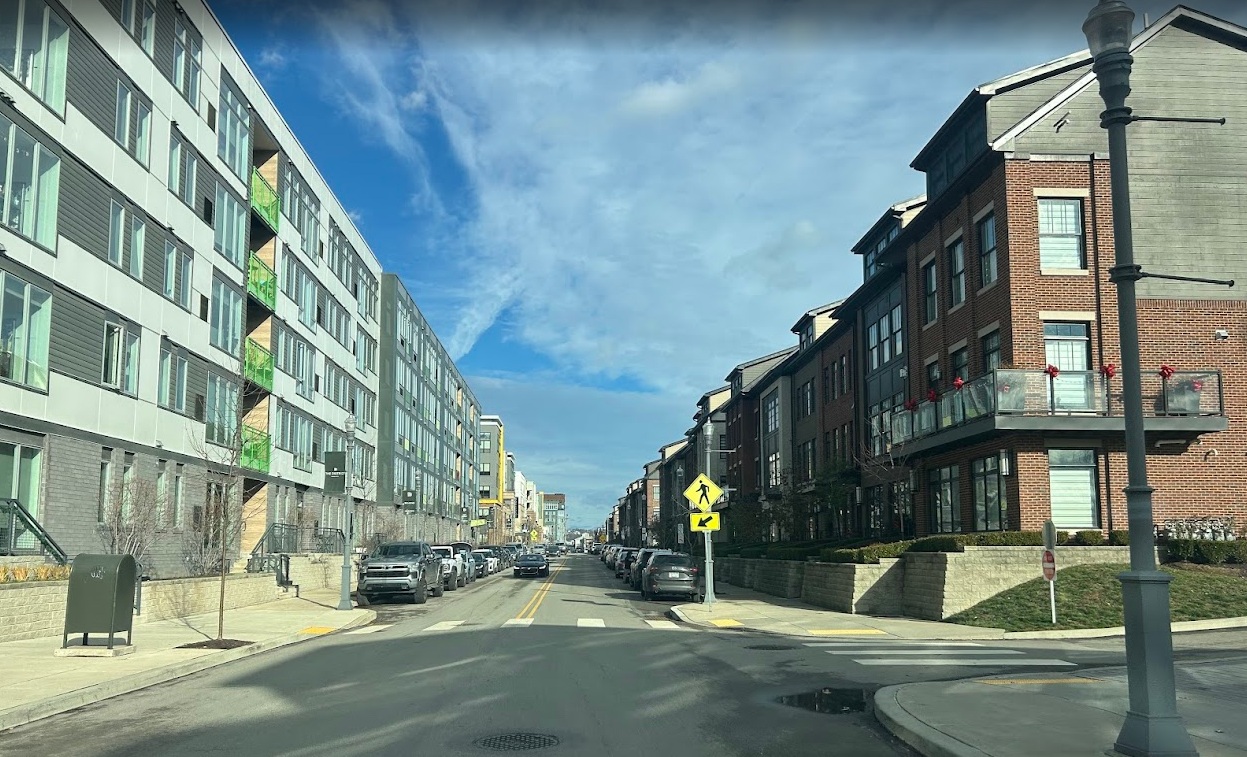
New residential development in Pittsburgh reflects the broader national trend of inventory slowly rebuilding after years of historically tight supply.
Median monthly mortgage payments exceed $2,000 as 38 of 50 major U.S. cities fall beyond the standard homeownership threshold.
The 30-year mortgage was built for a market where homes cost twice what households earned. That ratio is now five to one in most major cities. The product has not changed. The market has.”
PITTSBURGH, PA, UNITED STATES, May 6, 2026 /EINPresswire.com/ -- The 30-year fixed-rate mortgage has been the foundation of American homeownership since the 1930s. It was designed during the New Deal era to make homeownership accessible to middle-class families at a time when the median home price was roughly two times the median annual household income. That ratio has fundamentally changed. In 2026, the national median home price sits near $436,000 while the median household income stands at $83,730. The national home price to income ratio now stands at 5.08, nearly double the recommended maximum of 2.6, and 38 of the 50 most populous U.S. metros no longer meet the standard affordability threshold. The mortgage product has remained largely unchanged for nearly a century. The housing market it was designed to serve has not.— Carlo Finotti
The Mortgage Bankers Association reported that the national median monthly mortgage payment reached $2,061 in February 2026, reflecting the combined pressure of elevated home prices and mortgage rates that have remained above 6% for more than two years. That figure includes principal, interest, property taxes, and homeowner insurance on a standard purchase application. That is not a temporary disruption. It is a structural failure of a product that has not evolved alongside the market it serves.
The income required to purchase the median-priced home nationally now stands at $106,731 according to HSH.com, more than $23,000 above the actual median household income. In San Francisco, the required income often exceeds $300,000. In San Diego, buyers need to earn $221,900 to afford a typical home, and only 1.6% of San Diego homes are within reach for a median-income household. Even in markets considered mid-tier, cities like Seattle, Denver, and Miami now require household incomes between $140,000 and $193,000 to afford a median-priced home on a 30-year standard. For the majority of working American households, the math no longer works.
National home prices rose more than 45% between early 2020 and early 2025 according to the Zillow Home Value Index, while median household income grew at a fraction of that pace, widening the gap between what homes cost and what households earn to a point the standard financing structure can no longer bridge.
The policy response is beginning to reflect that reality. The current administration has explored and discussed extending standard mortgage terms to 40 and even 50 years as a mechanism to lower monthly payments and restore access to homeownership for buyers priced out under the current 30-year structure. Non-QM lenders and select portfolio institutions have already introduced 40-year purchase products in 2026, though these represent a small fraction of overall originations and carry higher interest rates than conforming loans. The Federal Housing Administration offers a 40-year modification option for existing borrowers in distress, not for new purchases. Fannie Mae, Freddie Mac, and the VA all continue to cap standard loan terms at 30 years, meaning any meaningful expansion would require federal policy changes that remain under discussion but have not materialized.
The comparison to other consumer lending markets is instructive. Auto loans in the United States stretched from standard terms of three to five years in the 1980s to commonly six to eight years today, a direct response to rising vehicle prices that would have otherwise priced middle-income buyers out of the new car market. Housing, which is an appreciating asset rather than a depreciating one, has seen no equivalent structural adaptation despite home prices rising more than 45% in five years nationally.
A small number of markets have avoided the worst of this structural breakdown. Pittsburgh, Pennsylvania has the lowest home price to income ratio of any large metro in the country at 3.07, with a median home price of $237,400 against a median income of $77,214 according to Best Interest Financial. The city's institutional employment base spanning UPMC, Allegheny Health Network, and Carnegie Mellon University is reinforced by more than $13 billion in confirmed energy and data center investment underway across the region, including the $3.2 billion Shippingport Power Station conversion in Beaver County and the $10 billion Homer City Energy Campus, the largest capital investment in Pennsylvania history. Columbus, Ohio maintains a median home price near $260,000 while adding more than 14,000 net new jobs in 2025, anchored by Intel's $20 billion semiconductor campus and expanding data center operations from Meta, Google, and Amazon Web Services that have established the region as a nationally significant technology corridor. Kansas City, Missouri sits at 29.2% of median income required for a typical mortgage payment, one of the lowest ratios among major metros nationally, and is adding structural employment through a Panasonic battery manufacturing facility, a new international airport terminal, and significant infrastructure investment tied to hosting the 2026 World Cup.
These markets share a defining characteristic. Job growth is anchored in manufacturing, technology, healthcare, and logistics rather than speculation. Home prices have appreciated steadily rather than violently. Median-income households can still access homeownership through a product that was designed a century ago and has not changed since.
For the households priced out of the broader market, the options are narrowing. Waiting for rates to fall has not produced the relief many anticipated. Waiting for home prices to correct has similarly failed to materialize. Extending mortgage terms to 40 or 50 years reduces monthly payments but increases total interest costs and builds equity more slowly. Relocating to lower-cost markets is viable for some households but not all.
For homeowners in these markets, properties where the 30-year mortgage still functions represent a shrinking share of the national housing stock, and that scarcity has real implications for long-term value.
Buys Houses is a home buying company serving homeowners across Pittsburgh and Western Pennsylvania. The company works directly with homeowners in all situations including inherited properties, vacant homes, and properties in any condition. Homeowners seeking information about their options can visit the company's Pittsburgh page to learn more about we buy houses Pittsburgh services or find out how to sell my house fast Pittsburgh. At Buys Houses, the company handles all of the work so homeowners do not have to.
Carlo Finotti
Buys Houses
+1 412-561-9833
media@buyshouses.co
Visit us on social media:
LinkedIn
Instagram
Facebook
YouTube
Other
Legal Disclaimer:
EIN Presswire provides this news content "as is" without warranty of any kind. We do not accept any responsibility or liability for the accuracy, content, images, videos, licenses, completeness, legality, or reliability of the information contained in this article. If you have any complaints or copyright issues related to this article, kindly contact the author above.
