

Inconsistent Grease Trap Maintenance Remains a Key Factor Behind Waste Management Issues in Orange County Restaurants

Logo Of Orange County Grease Co.
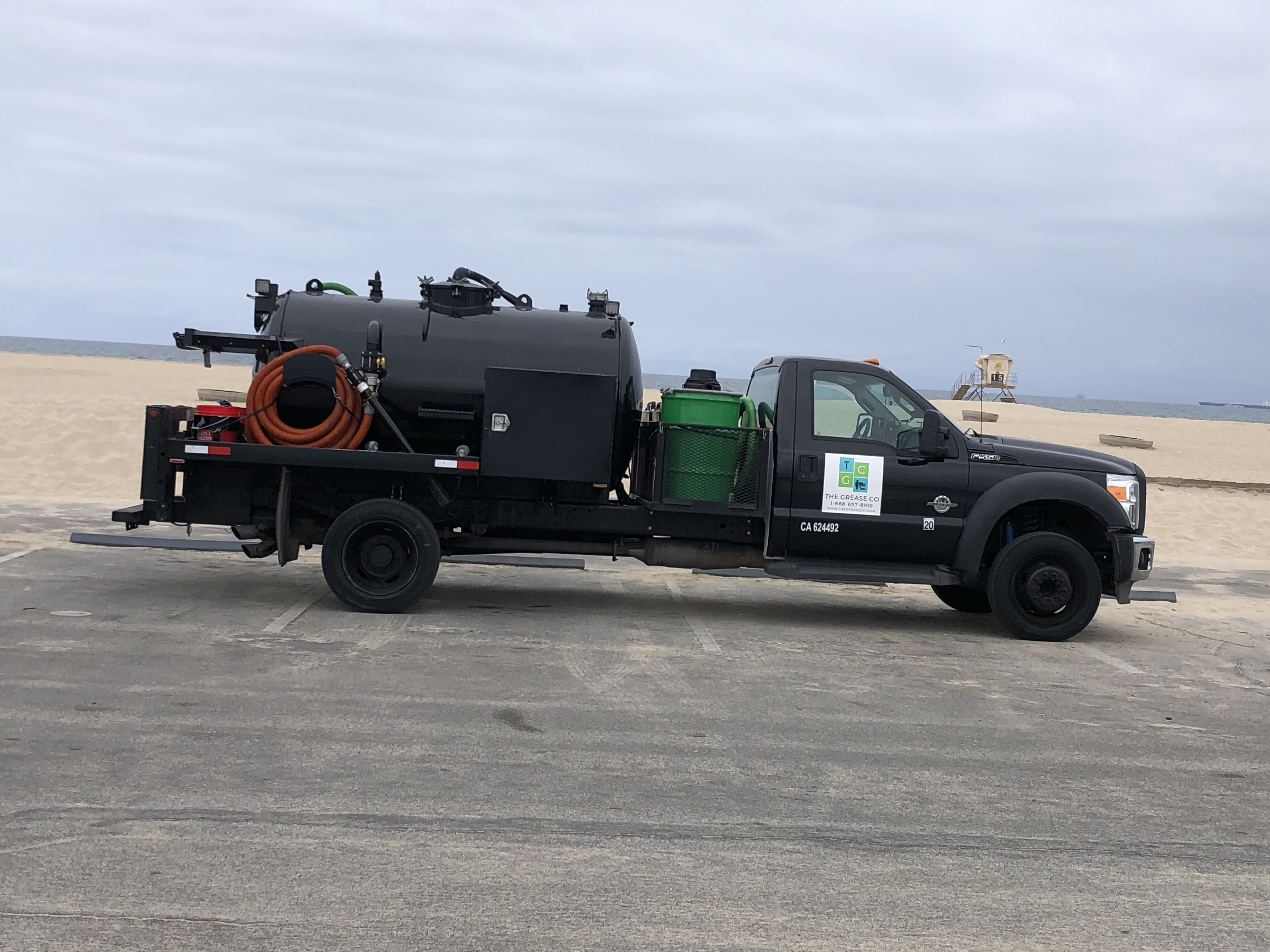
Grease trap cleaning service truck operating in Orange County
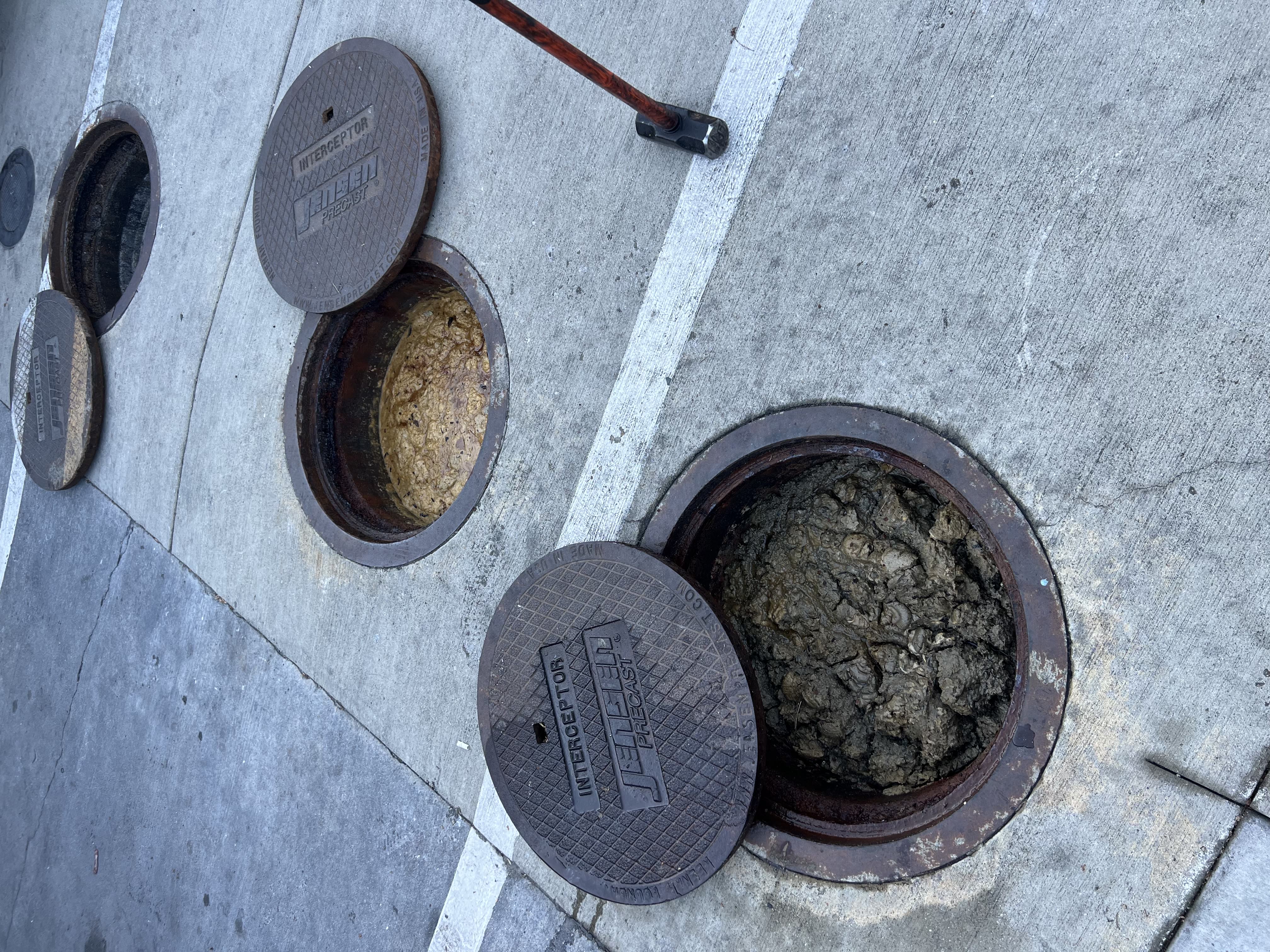
Open grease interceptor undergoing routine cleaning at a commercial facility
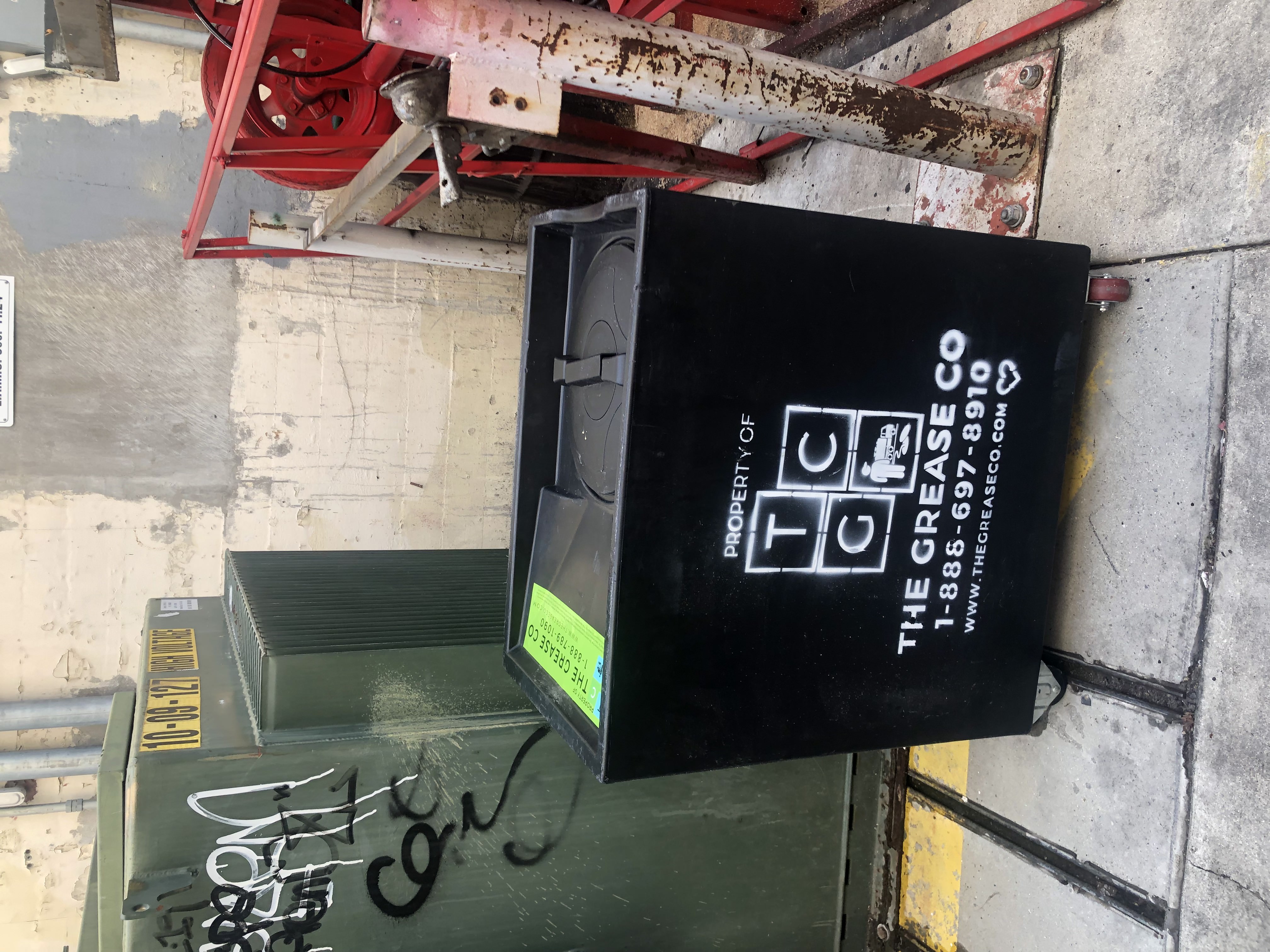
Grease trap installed in a commercial kitchen for separating FOGS from wastewater
Inconsistent grease trap maintenance continues to drive waste issues in Orange County restaurants, impacting operations, compliance, and infrastructure.
Industry experts suggest that irregular cleaning schedules and missed servicing are among the most common reasons these issues persist. When grease traps are not maintained consistently, buildup can lead to clogged drains, foul odors, and disruptions that affect normal kitchen operations. In some cases, businesses may also face compliance concerns related to local waste regulations.
In day-to-day cooking operations, the impact of poor grease trap upkeep is often felt at the worst possible times in a commercial kitchen. Many restaurants report slow-draining sinks or unexpected backups during peak service hours, when kitchens are already under pressure. These disruptions can delay food preparation, create stress for staff, and affect the overall flow of service.
In more serious cases, businesses are sometimes forced to deal with emergency plumbing situations that require immediate attention. These incidents can be costly, not only due to repair expenses but also because of lost time and interrupted operations. Some establishments may need to temporarily pause kitchen activities until the issue is resolved, leading to missed orders and reduced revenue for the day.
These conditions are not limited to a few establishments but are being seen across a wide range of food service businesses, from small restaurants to larger commercial kitchens. Professionals within the industry are increasingly pointing to consistent upkeep as a practical way to reduce these problems and avoid long-term complications. With ongoing pressure on restaurants to maintain smooth operations, attention is shifting toward preventative approaches rather than reactive fixes.
Beyond individual kitchens, the effects of poor grease handling can extend into the broader public infrastructure. When grease is not properly contained and removed, it can enter local sewer lines, where it begins to accumulate over time. This buildup can restrict water flow, increasing the risk of blockages within municipal systems.
Local waste and wastewater systems are designed to handle a certain level of output, but excess grease can place additional strain on these networks. Over time, this may lead to challenges for city services and contribute to larger-scale drainage issues affecting surrounding areas. There are also environmental concerns tied to improper grease handling. When waste enters water systems untreated, it can impact water quality and create conditions that are harmful to the local environment.
As a result, many restaurants are beginning to explore more structured approaches to handling grease-related maintenance. Rather than waiting for problems to appear, some operators are placing greater focus on routine servicing as part of their regular kitchen operations. This shift is leading to more structured schedules and increased reliance on professional support, especially in higher-volume kitchens where consistent performance is critical.
According to Miko Del Rosario, this change is often driven by experience rather than planning. He noted that many restaurant owners tend to overlook grease trap maintenance until it begins to affect daily operations, at which point the impact is already visible in the form of slow drainage, odors, or service disruptions. From his perspective, consistent maintenance plays a key role not only in preventing these issues but also in helping kitchens run more smoothly without unexpected interruptions.
As more businesses encounter recurring problems tied to irregular upkeep, this approach is gradually becoming more common. For many operators, maintaining a consistent routine is proving to be a more practical and reliable way to manage grease-related challenges over time.
As awareness around these issues continues to grow, many restaurants are also turning to more structured service solutions to better manage grease-related challenges, often relying on local grease management companies to help them manage these ongoing challenges. Routine grease trap cleaning has become an essential part of maintaining kitchen efficiency, particularly for businesses operating at higher volumes. In addition, larger facilities with more complex systems are increasingly relying on grease interceptor cleaning services to handle higher capacity waste more effectively.
Looking ahead, the focus on consistent grease management is expected to remain a key part of restaurant operations across Orange County. As businesses continue to balance performance, compliance, and cost control, preventative maintenance is becoming a practical approach to minimizing disruptions and supporting long-term operational stability.
Manager
Orange County Grease Co.
+1 (888) 789-1090
info@orangecountygrease.com
Legal Disclaimer:
EIN Presswire provides this news content "as is" without warranty of any kind. We do not accept any responsibility or liability for the accuracy, content, images, videos, licenses, completeness, legality, or reliability of the information contained in this article. If you have any complaints or copyright issues related to this article, kindly contact the author above.
